GREAT FUN IN CAMDEN, ALABAMA! By Jodie Cain Smith, author of The Woods at Barlow Bend http://www.jodiecainsmith.com/happenings/great-fun-in-camden-alabama/
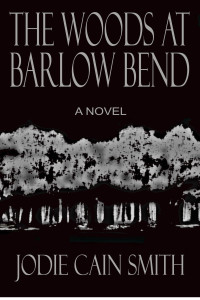
GREAT FUN IN CAMDEN, ALABAMA! By Jodie Cain Smith, author of The Woods at Barlow Bend http://www.jodiecainsmith.com/happenings/great-fun-in-camden-alabama/
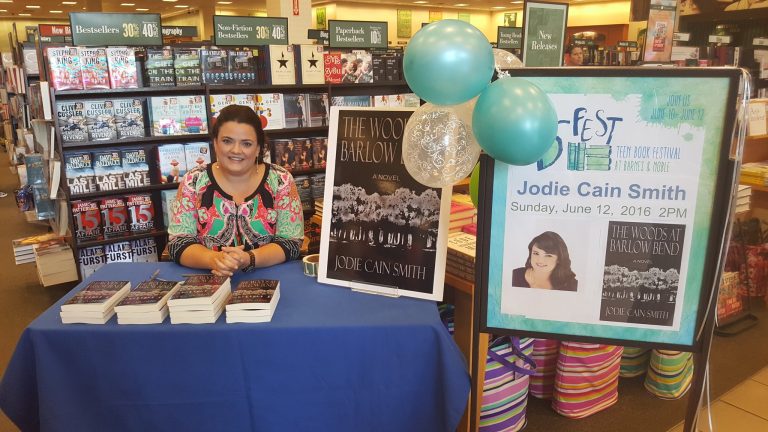
BARNES & NOBLE B-FEST!
With Jodie Cain Smith, author of The Woods at Barlow Bend
http://www.jodiecainsmith.com/happenings/barnes-noble-b-fest/
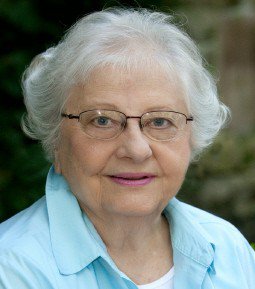
Funeral services for author Joyce Zeller will be held at First United Methodist Church 195 Huntsville Rd, Eureka Springs, AR 72632 Saturday, June 25th @ 10am. In lieu of flowers, please make a donation to the Joyce Zeller Memorial Fund overseen by her son, Perry Zeller, via Cornerstone Bank 70 S Main St, Eureka Springs, AR 72632 or send donations payable to Perry Zeller, noting the Joyce Zeller Memorial Fund, PO Box 509, Berryville, AR 72616.
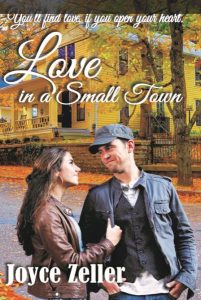
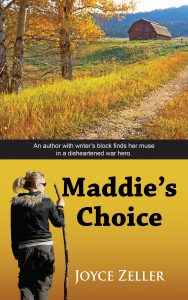
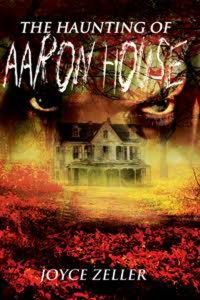
Zeller passed away in her sleep Sunday night at age eighty-three. She has written for a magazine, a cooking column for a chain of suburban newspapers north of Chicago, served in the United States Army, is a professional perfumer (School of Perfumery, London, England) and an aromatherapist; making custom fragrances in her store and created Arkansas Sesquicentennial Fragrance, Mountain Air, since she retired. Her short story “Love is a Seed” is featured in Embrace: A Romance Collection, (Goldmine Press, 2012). Other works include: Hidden History of Eureka Springs (The History Press, 2011), Accidental Alien (self-published, 2012), Maddie’s Choice (Camel Press, 2014), Christmas for Annabel (self-published, 2014), and The Haunting of Aaron House (2015) and Love in a Small Town (2016) are published by Rogue Phoenix Press. Her works will continue to be represented by Loiacono Literary Agency.




U. City’s Ed Protzel embarks on first book of his Dark Horse trilogy
http://www.westendword.com/Articles-Features-c-2016-06-14-198593.114137-sub-The-Lies-That-Bind.html

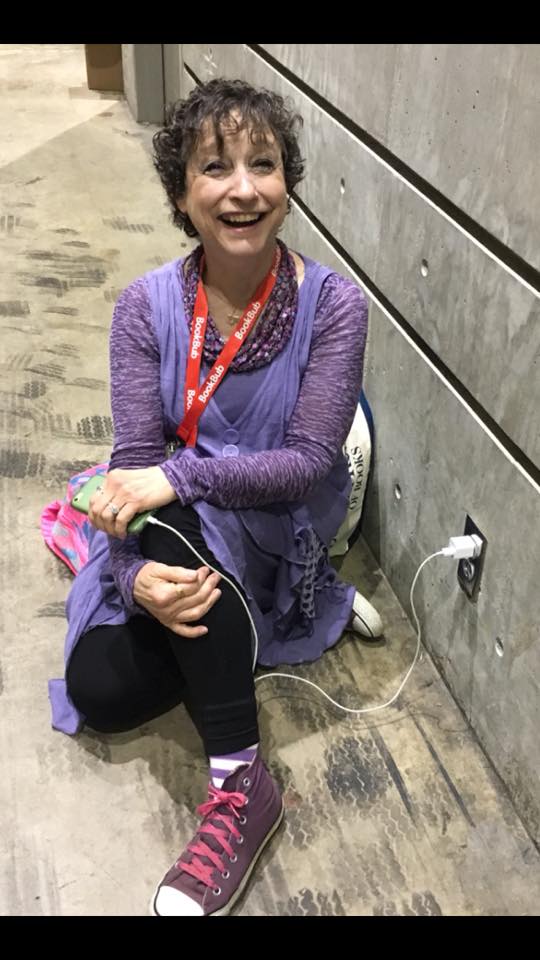
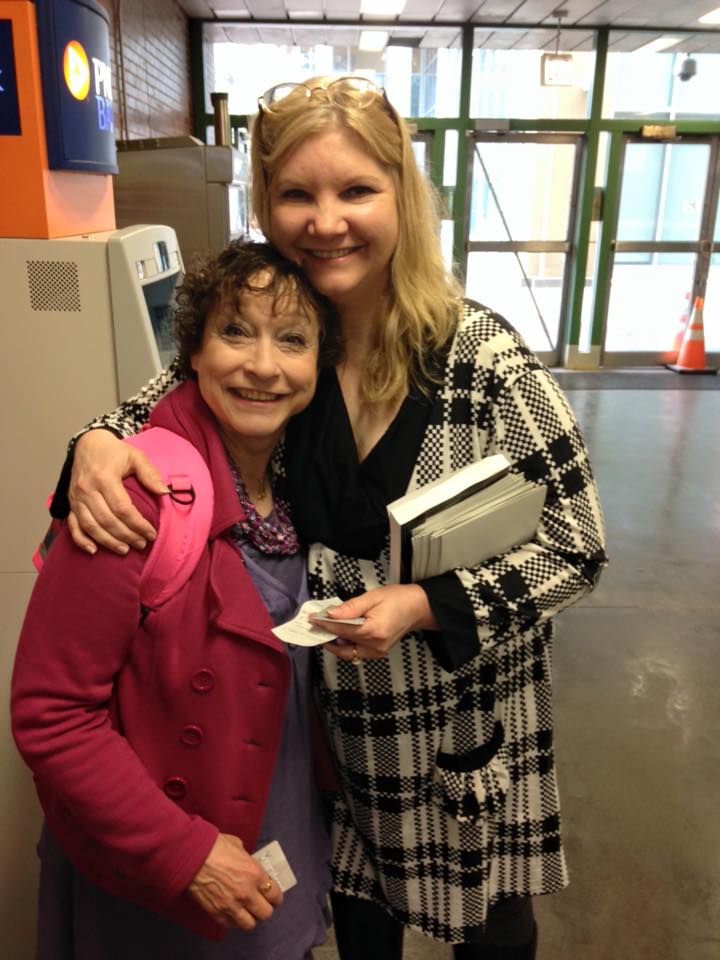
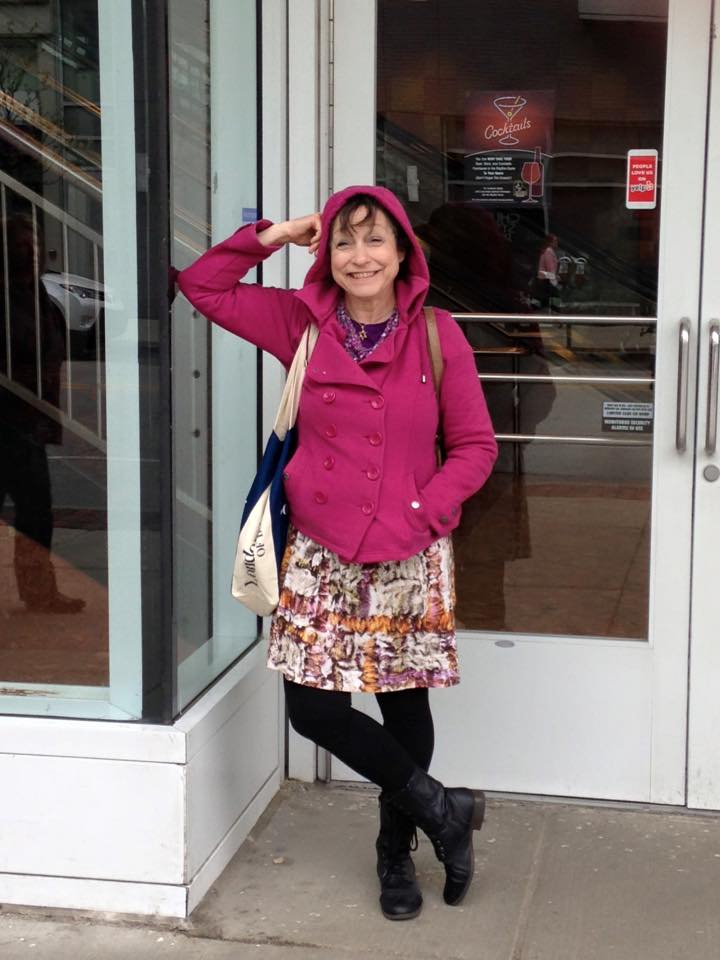
Rochelle Wisoff-Fields @ BEA 2016!
Author of Please Say Kaddish For Me and From Silt and Ashes
https://rochellewisofffields.wordpress.com/2016/06/16/writing-the-rails/
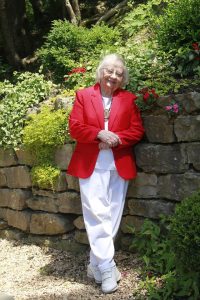
Loiacono Literary Agency regretfully turns to Joyce Zeller‘s final Epilog. Her son Steven Zeller said in his Facebook post: “We regretfully have to say goodbye to my Mom, Joyce Zeller, who passed away peacefully over the weekend at the age of 84. Recently elected two times to city council, an author of 6 books, a woman with a brilliant mind, and a family that has thought so highly of her. We love you Mom and we’ll miss you dearly.” We, too, feel a great loss. Joyce Zeller is the author of Love in a Small Town, The Haunting of Aaron House (Rogue Phoenix Press), and Maddie’s Choice (Camel Press). Her words will live on forever. We thank her immensely for her literary achievements, wisdom, and dedication/service to Eureka Springs, Arkansas. I have always admired her spunk and strength. She was my heroine. She is where I want to be, with Our Lord and Savior. To Joyce Zeller! We love you! You have left a sweet and lasting fragrance in your passing.
Joyce reading at the April Poet Luck
10 Steps to Getting a Literary Agent (Another reason LLA is the best!)
Last time, we covered 10 Steps to Writing a Novel. This time, it’s 10 Steps to getting a literary agent, though I have to warn you, the most important steps are the novel-writing ones.
You will annoy everybody you query if your novel isn’t finished. You want to be in the position where you can press ‘send’ as soon as an agent requests the full. If a waitress in a restaurant reads you the specials and you ordered one, then she returned to your table to tell you it would be four weeks, how would you feel? Quite annoyed. I had full requests within hours of emailing. Be prepared!
You’ll reach a stage where you are just tinkering. You take a comma out, you put it back. You can always better your prose – I just got the second round of edits from my publisher and still changed a couple of sentences that there was nothing truly wrong with – but you need to get to the point where you say ‘enoughs enough’, query, and leave well alone.
A good author friend of mine recommends batches of five. This way, you always have a few irons in the fire but you’re not spamming every agent in London, and, if you get a handful of rejections, you have some more agents you can query when you’ve maybe done some editing. So choose five agents who:
Agents often are quite public about looking for very specific things, so I followed a lot of them on social media when I was writing and took note of any who were looking for books that sounded like mine (and then when I was querying I stalked them and interpreted tweets like ‘having a great day!’ to mean ‘I love your submission, Gilly!’)
Oh, doom, I know. A synopsis is a horrible thing. I keep mine factual and I do spoil the ending in it. It’s a statement, really, of what actually happens in your book. You can include a note at the end stating that it includes themes of motherhood, or whatever, but what I think the synopsis should actually do is chart your main plot arc. Whether or not I include sub plots depends on how big a role they play in the main plot. If it’s just a best friend with her own small story arc I leave it out. If it’s that the heroine’s father dies which had a huge impact on a relationship story line, I include it.
A synopsis should be about a page. It shouldn’t take long. Many agents say that they look at the query letter, and then the chapters, and the synopsis is only there for reassurance that your contemporary romance isn’t going to have vampires appearing halfway through, so don’t worry.
I found the internet kind of overwhelming when it came to querying. There was so much information out there that it made the task seem somehow more important than it really was. The aim of this is to write a professional letter that conceptualizes what your book is about. That’s all. It should be personalized (Dear Joe Bloggs) and signed off formally (Kind regards, or some such). I used this format:
If, at any point when you are writing your synopsis and query letter, you think, Man, I wish I could send chapter 12, 14 and 29! then something has gone wrong. Your first three chapters should be sparkly, enticing and brilliant. They should begin with the call to action. They shouldn’t (in my opinion) really include any backstory at all, and it should be show, show, show, no telling. As a side note – and I know I’m not agent – I have discarded published books for these things:
Send the synopsis, first three chapters, and query off to your five chosen agents. ADDRESS THEM ALL PERSONALLY AND DO NOT BLIND CARBON COPY THEM ALL IN. I pasted the body of my query letter into an email, because attaching a Word document letter just felt too old school.
Keep a spreadsheet. The agent, the agency, the date you sent it, and their response times (usually listed on their websites). I then made an excel formula which told me on which date I could chase, because I am like this.
When you get a rejection, don’t argue. When you get a full request, just send the book with a normal email. (no OMG-ing)
… They do not ALWAYS want to offer representation (take it from somebody who went to a meeting with somebody I thought would offer and then cried so much on the train journey home that a LONDONER asked me if I was okay). They sometimes want to see what sort of a person you are, or if you might be willing to do a big edit before signing, or anything, really. Stay professional. My agent offered at the end of our meeting. Once she had sussed me out. (I kept my craziness under wraps).
… Have a really big think. I cannot stress enough how important your agent will become to your writing career.
This is the person who will pitch your work to editors before going on submission, champion you at book fairs, call you with good news, bad news, sales figures, negotiate your royalty rates, weigh in on your idea for your next novel (and the one after that…), etc. etc. It’s tempting – and exciting – to accept the first offer without thinking, but stop and ponder.
Gilly McAllister is an author with her debut novel to be published by Michael Joseph Penguin next year, lawyer and professional worrier. She is owned by a large ginger tom cat. She tweets from @Billygean
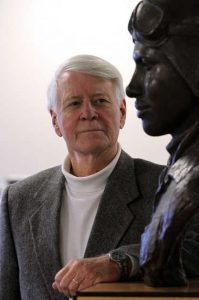
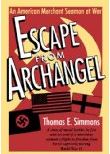
Thomas E. Simmons will be speaking at the Long Beach Historical Society Monday, July 18th @ 6pm. Featured topic will be his new novel, By Accident of Birth, published by Touchpoint Press. His other works are of nonfiction: The Man Called Brown Condor (Skyhorse), Forgotten Heroes of WWII (Taylor Trade), and Escape from Archangel (Mississippi University Press). Come hear him tell of historical research, the art of storytelling, and get a sneak peek into the sequel, The Last Quinn Standing.
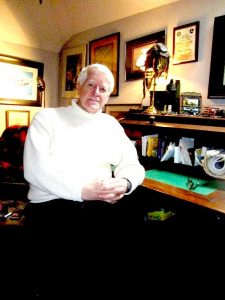

Thomas E. Simmons will be speaking at the Pass Christian Historical Society on Monday, June 27@ noon. His featured topic will be his new novel, By Accident of Birth, published by Touchpoint Press. His other works are of nonfiction: The Man Called Brown Condor (Skyhorse), Forgotten Heroes of WWII (Taylor Trade), and Escape from Archangel (Mississippi University Press). Come hear him tell of historical research, the art of storytelling, and get a sneak peek into the sequel, The Last Quinn Standing.